They say the series is ending. They say events are being rushed. They say history is wrapping up too fast. But Episode 12 of Kuruluş Orhan tells a very different story. What we’re watching right now is not a collapse—it’s a transition. A dangerous and misunderstood one that will decide the future of the series. As rumors of cancellation grow louder, the story on screen is doing something very specific: shifting from conquest to statehood. Let’s break this down calmly and clearly.
On screen, the Ottoman state is being formed. Behind the scenes, cancellation rumors are spreading. Episode 12 sits exactly between these two realities. Some viewers see panic and speed. Others see historical necessity. The truth lies closer to the second.
Alaeddin Becomes the First Grand Vizier
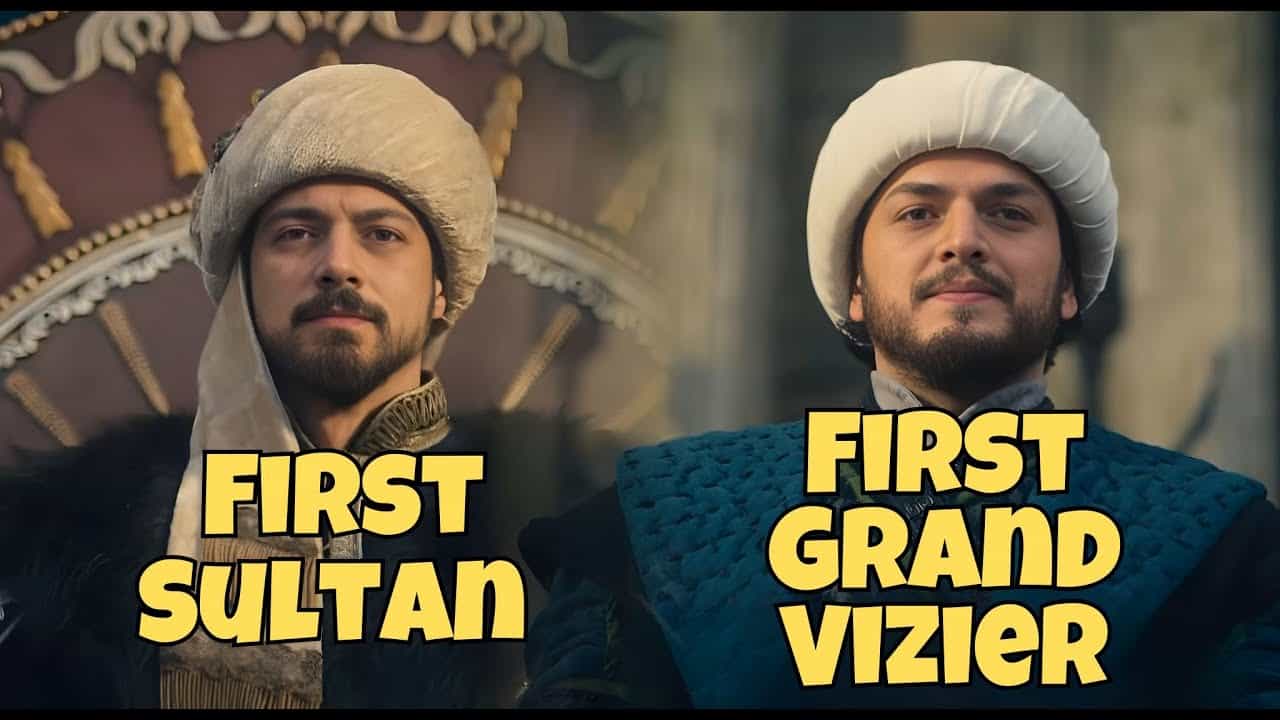
One of the most important changes is now official. Alaeddin Bey is no longer just Orhan’s brother. He becomes Alaeddin Pasha, the first Grand Vizier of the Ottoman Sultanate. This is not drama. This is history.
From this point onward:
Orhan focuses on leadership and expansion
Alaeddin builds administration and governance
This signals a major tonal shift. The series is moving away from constant battlefield scenes and toward statecraft, law, and structure—exactly as history demands.
The Dagger Scene: Misunderstood, Not Betrayal
One scene caused unnecessary panic. Nilüfer holding a dagger in front of Asporça. At first glance, it looked like jealousy turning violent. But the context tells a different story. Asporça is injured—possibly poisoned. The dagger is a medical tool, likely used to cauterize a wound or extract poison. This moment actually strengthens Nilüfer’s character:
She is emotionally wounded
She feels threatened
Yet she chooses duty over rage
This is restraint, not betrayal.
Why Iznik Feels “Fast” — But Isn’t
After Bursa, history does not pause. The next target is Iznik. Yes, it feels fast on screen.
But historically, it was fast. What looks like rushing is actually accuracy. The Ottoman expansion during Orhan’s era moved quickly, especially once Bursa fell. The series is following that documented sequence rather than inventing filler conflicts.
Temurtash: A Short-Lived Rebel by Design
Temurtash’s end is near.
Within the next two episodes, his story will conclude—decisively.
Like:
Saroz
Hector
He rises quickly and falls even faster.
This isn’t weak writing.
It reflects historical reality.
Rebels who challenge power too early rarely last long. The real danger comes after such figures are removed.
New Villains Are Already on the Way
As one threat exits, another enters.
Soon, a new Byzantine commander will appear:
Smarter
More dangerous
Long-term
This won’t be a temporary antagonist. He will reshape the conflict moving forward.
At the same time, Demirhan remains in play—meaning internal and external threats will now collide.
The Kara Halil Debate Is Officially Over
A crucial reveal is coming.
Kara Halil’s actual son will soon appear in the story, around 15 years old.
This single fact ends one major debate:
Flavius cannot be Kara Halil’s son.
The age alone makes it impossible.
This reveal exists to close speculation, not create new confusion.
Flavius Is No Longer a Villain
Flavius’ arc has shifted completely.
He is no longer positioned as Orhan’s enemy.
Why?
His love for Fatma
His identity crisis
His search for truth
Flavius is now fighting himself, not the Ottomans.
This makes him more human—and removes him from the list of long-term villains.
Who’s Gone, Who’s Coming
Let’s be clear:
Gone
Hector
Saroz
Going Soon
Temurtash
Still Active
Demirhan
A new Byzantine commander
This is not the end of conflict.
It’s the next phase.
Are Cancellation Rumors Real? Let’s Talk Honestly
Yes, rumors are everywhere.
But rumors grow fastest when context is ignored.
1. Ratings Pressure
Ratings are low—but not just for Kuruluş Orhan.
Wednesday nights are brutal across Turkish television:
Football matches
New drama launches
Fragmented audiences
This is an industry-wide issue.
2. Fast-Paced History
Some viewers confuse historical progression with rushing.
Other canceled series rushed fiction.
Kuruluş Orhan is moving through documented history.
History does not wait.
3. External Competition
Major football events and new shows are being scheduled deliberately against it. This isn’t coincidence—it’s programming strategy.
What Industry Analysis Suggests
Current Turkish media analysis suggests:
There is a 90% chance Season 2 will happen.
Mehmet Bozdağ has faced pressure before—and adjusted.
The last two episodes already show:
Higher budget
Stronger direction
Better pacing
Improved performances
Murat Yıldırım didn’t suddenly change.
The writing finally matched his ability.
Why the Series Is Under Extra Pressure
Previous historical dramas reshaped cultural conversations.
Not everyone wants that impact repeated.
So what happens?
Viewership is split
Competition is stacked
Noise replaces discussion
The goal isn’t criticism—it’s exhaustion.
What Needs to Happen Next
For long-term stability:
Introduce new historical figures
Maintain current production quality
Avoid recycled narrative mistakes
Keep the focus on history over melodrama
If this continues, ratings will follow.