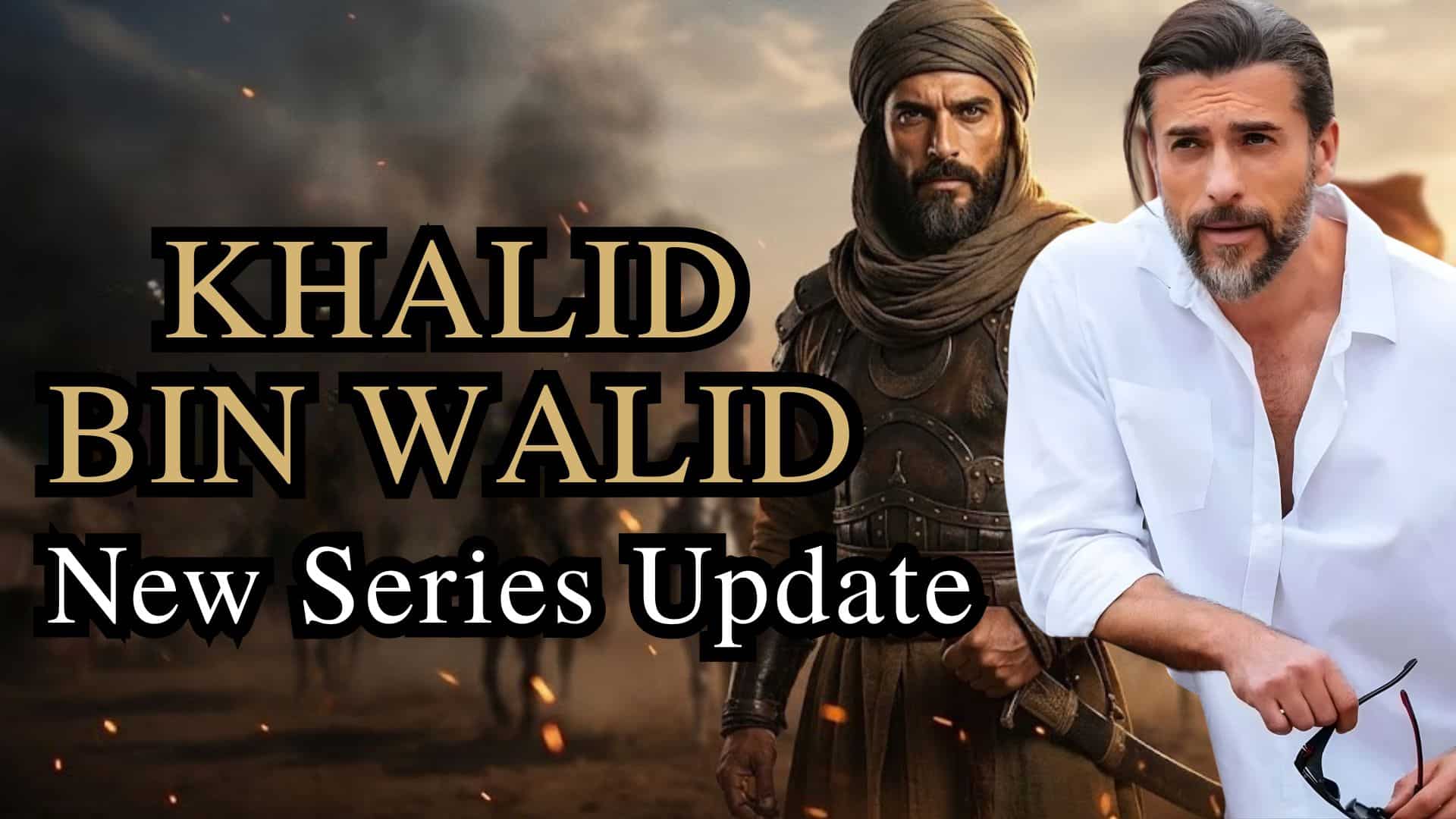
One Instagram post. One unexpected question. And suddenly, the entire historical-series world was talking. Cengiz Coşkun, the actor who immortalized Turgut Alp, asked fans a single line that carried enormous weight:“Do you want to see me return… as Khalid ibn Walid?” No trailer. No announcement. Just a question. But that question reopened one of the most sensitive debates in Islamic historical storytelling: should the life of Khalid ibn Walid ever be portrayed on screen?
Why This Question Is So Important
Cengiz Coşkun is not an actor chasing attention. For five seasons, he played Turgut Alp in Diriliş: Ertuğrul—a role that became iconic across the Muslim world. He later returned in Kuruluş Osman, reinforcing the trust audiences already had in him. So when he mentions Khalid ibn Walid (RA)—Saifullah, the Sword of Allah—it doesn’t feel casual. It feels deliberate. Like testing the ground before something serious. And that’s exactly why reactions split instantly.
The Strong Opposition: “Some Stories Should Not Be Dramatized”
A large group of viewers rejected the idea outright.
Their concern is respect, not casting.
They argue that:
The Companions of the Prophet ﷺ lived lives no actor can truly embody
Dramatizing them risks lowering their spiritual dignity
An actor’s personal life will always clash with the sanctity of the Sahaba
For them, the conclusion is clear:
Better no series at all than a portrayal that crosses a sacred line.
This view is rooted in caution—and it carries real weight.
The Other Side: Education Through Storytelling
Then there’s the opposite argument.
Not about entertainment.
About education.
Supporters say we live in a time where:
Fictional heroes dominate screens
Violent or empty icons shape young minds
Real Islamic heroes are barely known
Many young people know superheroes—but not:
Why Khalid ibn Walid was undefeated
How his strategies crushed empires
Why the Prophet ﷺ named him Saifullah
And here’s the uncomfortable truth:
most people don’t read detailed history anymore.
Visual storytelling reaches audiences that books no longer do.
Why This Argument Has Historical Precedent
Think honestly.
Before Diriliş: Ertuğrul, how many people truly knew Ertuğrul Ghazi?
Before Kuruluş Osman, how many understood Osman Ghazi beyond a name?
Those series didn’t just entertain.
They reshaped public knowledge of Islamic history.
Supporters believe the same could happen here—if done with sincerity and scholarship.
Who Might Be Behind Such a Project?
There is no official confirmation yet.
But speculation exists.
A few years ago, producer Emre Konuk was reportedly working on a Khalid ibn Walid project, planned as a single film. That project never materialized.
Now, interestingly:
Cengiz Coşkun has recently been seen in Dubai
Dubai-based producers understand his emotional value to Muslim audiences
Choosing a trusted face creates instant connection
This is why many believe that if such a project happens, it may be produced outside Turkey, possibly in Dubai.
For now, this remains speculation—but not without context.
If This Series Ever Happens, It Must Follow Strict Rules
Almost everyone—supporters and critics alike—agree on one thing:
There is no room for compromise.
If a Khalid ibn Walid series is made, it must:
Follow authentic Islamic historical sources
Focus on battles, strategy, and leadership
Avoid unnecessary drama
Keep female roles minimal or off-screen
Preserve dignity, humility, and faith
Present an authentic, respectful appearance
Anything less would cause harm instead of benefit.
Why Khalid ibn Walid Is Different
This is not just Islamic history.
It is world history.
Khalid ibn Walid:
Was never defeated in battle
Faced the greatest empires of his time
Changed the map of the world
But more importantly:
He submitted completely to Allah.
A properly made series wouldn’t glorify violence—it would glorify:
Discipline
Loyalty
Faith
Responsibility
That distinction matters.
Can Sacred History and Modern Media Coexist?
This is the real question.
Can respect and education exist together?
Can a series become da’wah instead of distortion?
Can intention outweigh risk?
Arab productions have done this successfully before—so the precedent exists. The deciding factor is niyyah (intention).