
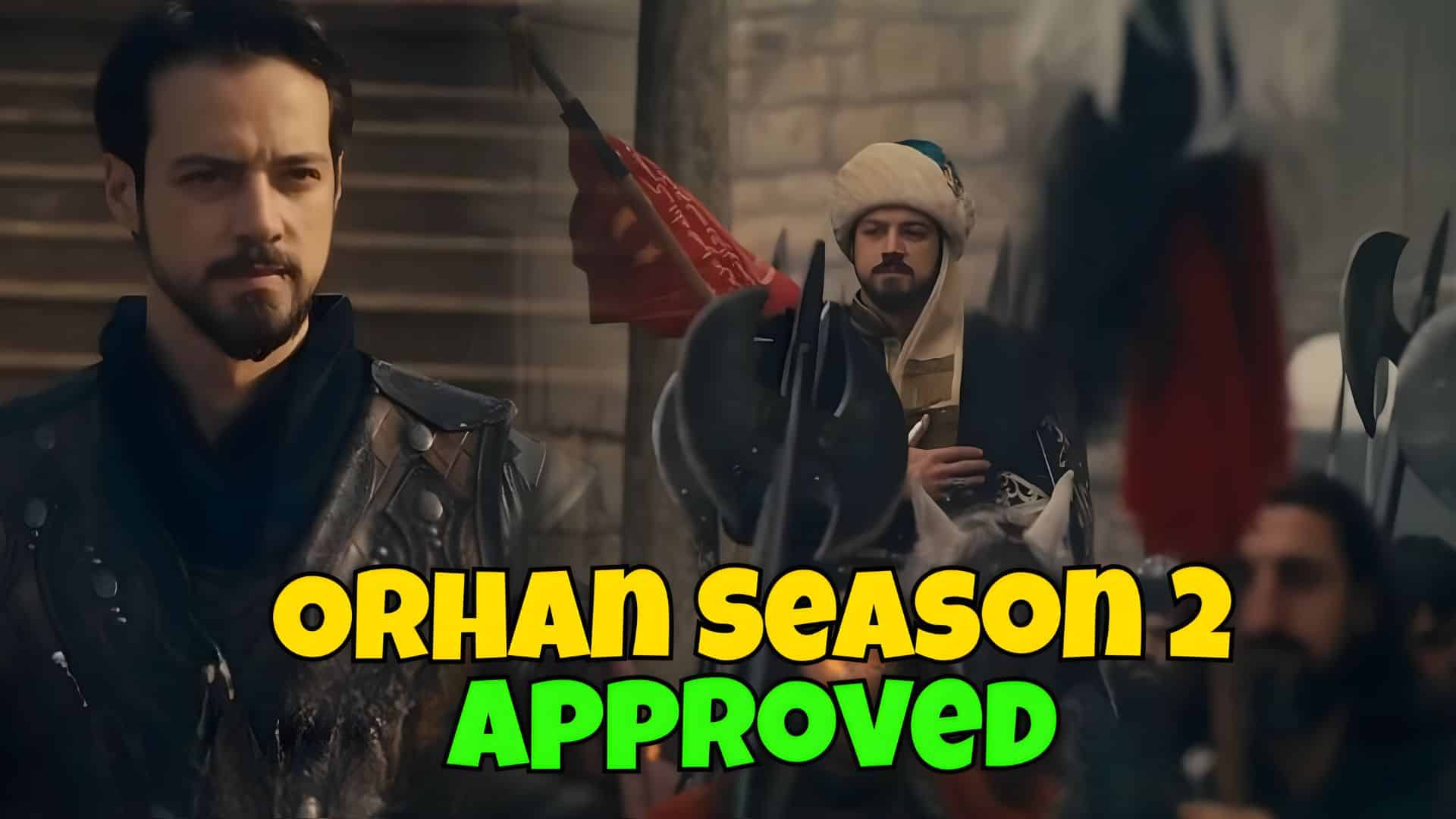
For weeks, fans were anxious. Ratings were questioned. Rumors spread across social media. Cancellation headlines refused to stop. But Episode 12 changed everything. Not only did it shift audience perception — it also triggered a decisive move behind the scenes. The production team has now officially approved Season 2 of Kuruluş Orhan. This is not speculation. This is not optimism. This is a confirmed production decision. Season 1 is still airing, but the makers are confident enough in the series’ direction to move forward. And that means one thing:Kuruluş Orhan is safe.
Episode 12 was not just “good.”
It was structured, meaningful, and purposeful.
For the first time, the episode felt complete — not rushed, not confused, and not distracted by unnecessary subplots.
The Bursa Sequence: State Formation, Not Drama
The heart of Episode 12 was Bursa.
Multiple emirates formally recognized Orhan’s authority — not through shouting or theatrics, but through acknowledgment.
This wasn’t symbolic drama.
This was state formation.
For the first time in the series:
-
Orhan wasn’t acting like a leader
-
He was treated like one
That single sequence justified the entire episode and re-centered the story around history, not noise.
Sheikh Musa’s Introduction Fixed a Missing Pillar
One of the smartest creative decisions in Episode 12 was finally introducing Sheikh Musa properly.
Until now, the series lacked something essential to early Ottoman history: religious guidance in governance.
This scene delivered a powerful message:
A strong state needs both the mercy of the heart and the sharpness of the sword.
That line alone elevated the episode.
It echoed the governance philosophy associated with Hazrat Umar (RA) — justice balanced with strength. With this addition, the series finally felt authentically historical, not just dramatic.
Temurtash Finally Felt Like a Real Threat
For the first time, Temurtash truly worked as an antagonist.
-
His presence felt controlled
-
His menace was clear
-
His dialogue landed properly
Most importantly, his capture did not feel rushed. It felt earned.
Episode 12 positioned him clearly for what comes next:
his downfall — narratively and historically.
Politics Done Right: Orhan vs Demirhan
The political exchange between Orhan and Demirhan was one of the strongest political scenes so far.
No unnecessary speeches.
No dramatic shouting.
No forced intensity.
Just calculated power moves.
This showed real growth in writing — politics were communicated through action and positioning, not exposition.
Flavius, Fatma, and a Misunderstood Contrast
Episode 12 handled emotional tension well overall, but one action by Flavius disrupted the flow and caused unfair backlash toward Fatma.
What the episode actually showed was intentional contrast:
-
Flavius turns to alcohol when broken
-
Fatma turns to prayer when broken
This wasn’t weakness.
It was conviction.
The writers clearly showed that Fatma refuses to compromise her faith — no matter how painful love becomes. That is strong character writing, not passivity.
The Dagger Scene: What Viewers Missed
Many viewers misunderstood the dagger scene completely.
This was not jealousy turning violent.
It was medical treatment.
Asporça was injured — possibly poisoned — and Nilüfer used the dagger for treatment, not attack.
The scene showed inner conflict, not cruelty.
Ratings Truth: What the Numbers Really Say
Yes, Episode 12’s ratings dropped — but context matters.
Key fact:
Before the football match started, the episode was pulling around 4.9 ratings.
Once the match began, numbers fell sharply.
That proves:
-
The episode had spark
-
Audience interest was there
-
The problem was external competition, not content quality
Why Season 2 Was Approved Now
The production team approved Season 2 because they clearly saw:
-
Improved direction
-
Stronger pacing
-
Better political writing
-
A clearer historical vision
-
Strong audience engagement when not competing with sports
This is why the approval came now, not later.
What Season 2 Makes Possible
Season 2 allows the story to breathe instead of rush.
It opens the door to:
-
Expanding Orhan’s rule properly
-
Introducing stronger Byzantine threats
-
Developing governance, not just conquest
-
Deepening religious and political balance
This is where Kuruluş Orhan truly belongs.