Episode 12 didn’t just move the story forward. It tested it. It tested the characters. It tested the ideas behind the series. And most importantly, it tested whether Kuruluş Orhan has finally found its rhythm. After watching the episode carefully, one thing is clear: this episode mattered. But what matters even more is what comes next. With Episode 12 now behind us, the series stands at a crossroads—between political depth and emotional fractures, between rising quality and risky decisions. Let’s break it down calmly and honestly.
Episode 12 was clearly divided into three well-balanced phases:
-
A powerful opening – authority, action, and scale
-
A slower middle – dialogue-driven, emotional, character-focused
-
An intense ending – tension restored, conflicts re-ignited
This rise-and-fall rhythm had been missing for a long time. Now, for the fourth episode in a row, pacing finally feels controlled and intentional. Even scenes that once felt artificial now flow naturally.
The improvement in direction is undeniable.
Actors Who Delivered Their Best Performances So Far
Several performances stood out strongly:
-
Temurtash finally felt confident and threatening without overacting
-
Shaheen Shah Bey perfectly occupied the grey zone—neither loyal nor openly treacherous
-
Dursun showed massive growth; Mühsin Murat was emotionally convincing and physically sharp
At this point, Dursun feels fully believable as a warrior and no longer needs narrative protection.
Overall, the cast carried the episode well.
The Character That Nearly Ruined the Episode
One character seriously disrupted Episode 12:
Defne.
Her scenes felt:
-
Random
-
Emotionally tone-breaking
-
Repetitive
Worst of all, she endangered children by revealing their location to Temurtash. That crossed a line.
Instead of tension, the audience felt frustration. Instead of emotion, distraction.
This character urgently needs correction—or removal.
Bursa Acknowledging Orhan: A State Is Born
One of the most powerful scenes was set in Bursa.
Different principalities acknowledged Orhan’s authority—not through speeches, but through submission. This is what the birth of a state looks like.
It was quiet.
It was dignified.
And it felt earned.
A Missing Element Finally Added: Spiritual Balance
For the first time, a religious scholar played a meaningful role in governance.
The message was simple and timeless:
A just state needs a soft heart… and a sharp sword.
This balance immediately recalls the era of Hazrat Umar (RA)—where justice and strength walked together.
This spiritual-political layer had been missing before. Now, it finally exists.
Orhan vs Demirhan: Power Without Noise
Orhan’s interaction with Demirhan wasn’t loud or dramatic.
And that’s exactly why it worked.
Power was shown through decisions, not speeches.
Authority through control, not shouting.
This is how politics should be portrayed.
A Small Scene With Big Emotional Impact
One quiet moment reminded us why personal loss still matters—even in a grand historical narrative.
It grounded the episode emotionally and prevented it from becoming hollow spectacle.
A Serious Historical Mistake That Must Be Addressed
Not everything worked.
The appearance of an Abbasid vizier congratulating Orhan was a major error. The Abbasid Caliphate had ended decades before Orhan’s era.
This wasn’t a minor detail.
It was a timeline collapse.
Such mistakes damage credibility and must be avoided moving forward.
Why the Delay in Orhan–Asporça Marriage Works
Historically, Orhan should have married Asporça quickly.
But the series chose a slower approach—and it works.
Asporça is shown as:
-
Lonely
-
Impressed by character, not power
-
A witness to Orhan’s dignity
Orhan treats her wounds, protects her without hesitation, and shows honor toward an enemy. Her growing admiration feels believable.
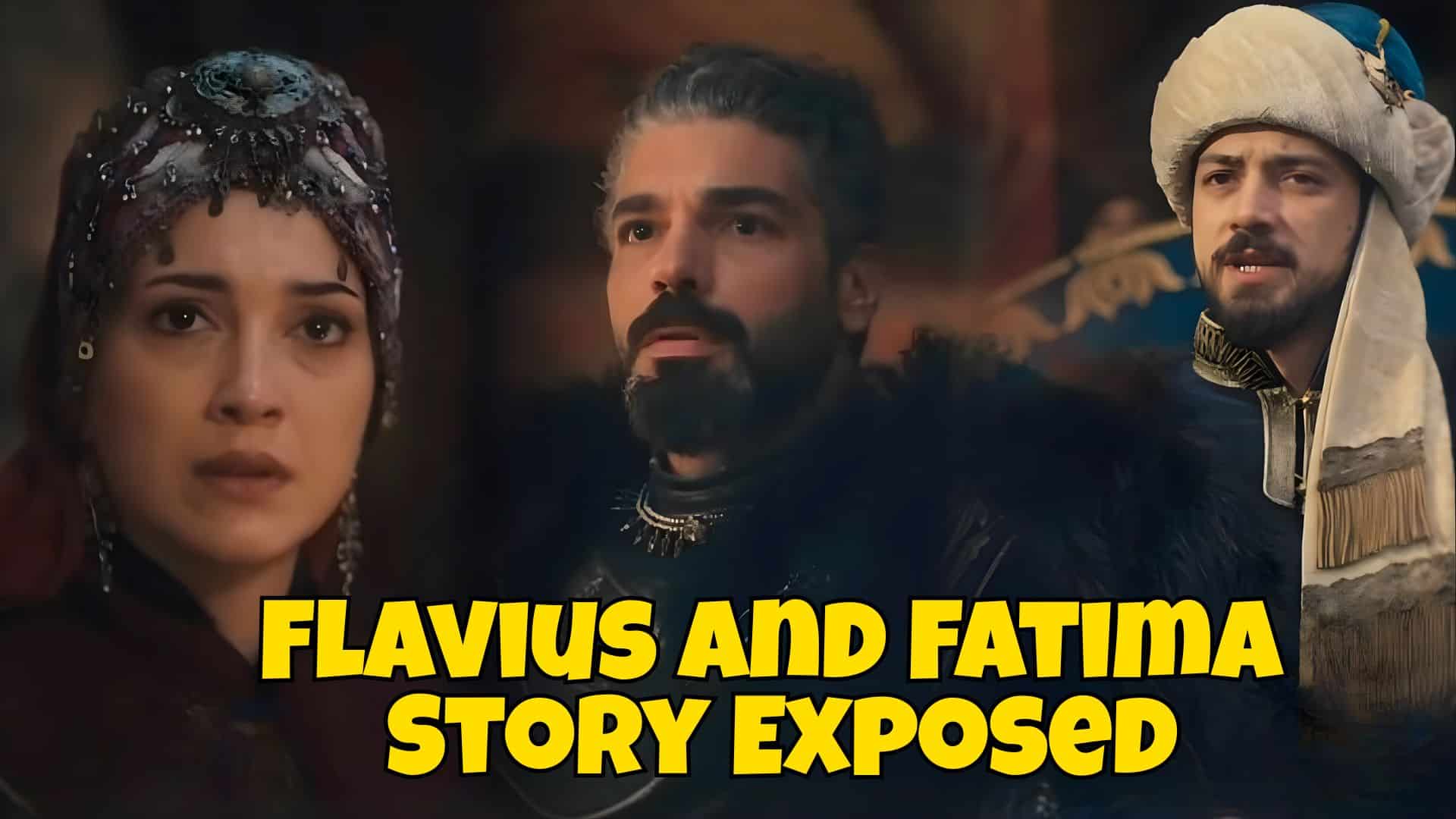
Flavius, Fatma, and Faith Under Pressure
Episode 12 handled emotional distance well—until one action by Flavius disrupted the balance.
Suddenly, fan anger turned toward Fatma, unfairly.
The series is actually doing something brave here:
-
When Flavius breaks, he drinks
-
When Fatma breaks, she prays
This contrast matters.
This isn’t about control or a “cage.”
It’s about conviction.
Fatma refuses to compromise her faith—even at great emotional cost. That strength deserves respect.
A Scene That Felt Out of Era
One moment felt deeply wrong.
Bala Hatun—raised by Sheikh Edebali, deeply pious—encouraging emotional manipulation felt completely out of character.
It felt modern, not historical.
This is one moment where the series briefly lost its era.
Ratings Drop: What Really Happened
Yes, Episode 12’s ratings dipped—but context matters.
Before the football match began, the episode was pulling strong numbers. Once the match started, ratings fell sharply.
This proves:
-
The episode had spark
-
Quality was not the issue
-
Football remains unbeatable competition
This was not rejection—it was circumstance.
What Episode 13 Clearly Sets Up
The trailer reveals several unavoidable developments:
-
Orhan dragging Temurtash into the tribe is a public declaration of power
-
Temurtash will escape—almost certainly
-
Shaheen Shah Bey is the most suspicious figure
-
Fatma’s engagement to Yiğit will not be completed
-
Orhan will accept a political marriage with Asporça
-
Nilüfer will suffer silently
The truth cannot stay hidden for long.
Most likely, Malhun Hatun will uncover it—through a look, a gesture, or a simple object.
Once Orhan knows, everything changes.
Final Verdict: A Meaningful Turning Point
Episode 12 was not perfect—but it was important.
It delivered:
-
Political depth
-
Moral clarity
-
Emotional weight
The series finally feels alive again.
Ratings may fluctuate, but quality is rising. If this path continues, Kuruluş Orhan still has a strong future.